Spectacle Lens Brands

Why Your Lens Brand Matters

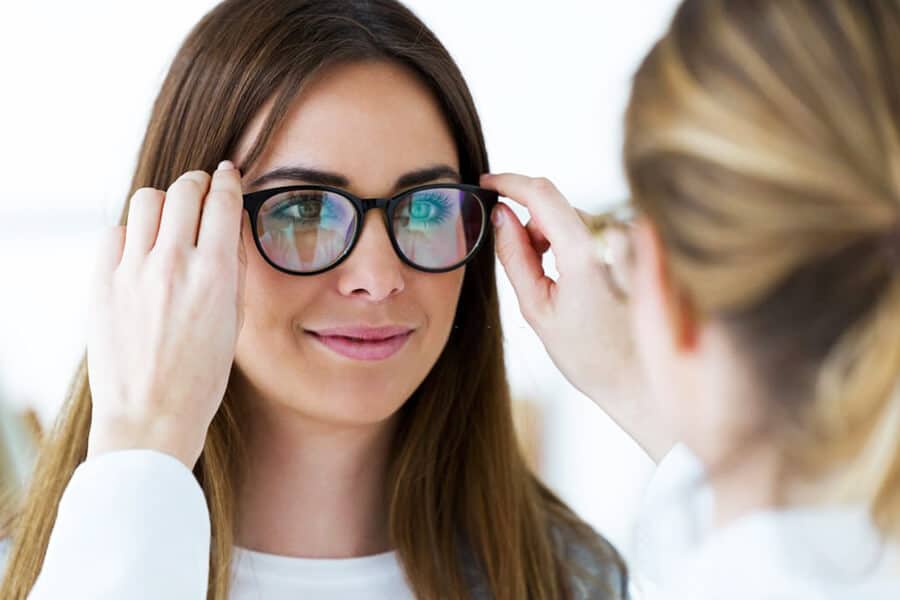
The frame gets the attention, but the lens is what you actually see through. Not all lenses are created equal — premium manufacturers invest in proprietary optical designs, advanced coatings, and precision engineering that directly affect your clarity, comfort, and long-term eye health. At VIEWTOPIA, we work with four of the most respected lens manufacturers in the world, and Abe will help match you with the right lens for your prescription, your lifestyle, and your frame — because the right lens makes everything else work.

Progressive lenses · Single vision · Occupational · Digital

About the Brand

Founded in 1972 at Kibbutz Shamir in Israel, Shamir began as a small optical laboratory and has grown into a globally respected lens designer known for pushing the boundaries of progressive lens technology. Their engineering team holds numerous patents in freeform lens design and continues to advance the science of how lenses are calculated and manufactured.

What Sets It Apart

Shamir’s proprietary Eye-Point Technology maps individual eye movement patterns through the lens, allowing for designs that reduce adaptation time and minimize the distortion that first-time progressive wearers often experience. Their occupational and computer lens designs are particularly well suited for patients who spend long hours at screens or working at intermediate distances.

Progressive lenses · Single vision · High-index · Blue light filtering

About the Brand

Founded in Japan in 1941, HOYA Corporation began as an optical glass manufacturer and has grown into a global leader in precision optics, operating across vision care, medical, and technology sectors. Their ophthalmic lens division is known for combining Japanese precision engineering with continuous investment in lens design and material innovation.

What Sets It Apart

Hoya lenses are engineered for accuracy across the entire lens surface, with minimal distortion and exceptional peripheral clarity. Their high-index materials are among the thinnest and lightest available, making them an excellent choice for stronger prescriptions where edge thickness and weight matter. A solid option for patients who prioritize optical performance and wearing comfort throughout the day.

Progressive lenses · Single vision · Photochromic · Coatings

About the Brand

Essilor traces its roots to 1849 and a Parisian cooperative of eyeglass makers. It took its modern form in 1972 and grew into the world’s largest manufacturer of ophthalmic lenses — driven by a culture of innovation that produced the first commercially successful progressive lens, Varilux, as well as Crizal anti-reflective coatings, one of the most recognized lens coating lines in the industry.

What Sets It Apart

Varilux is Essilor’s flagship progressive lens and the benchmark by which most progressives are measured. Decades of optical research have produced seamless, line-free vision at every distance with continuously refined corridor designs. For patients who wear progressives and want the most trusted, most studied lens in the category, Essilor is the standard.

Progressive lenses · Single vision · High-index · Precision optics

About the Brand

Carl Zeiss has been synonymous with optical precision since 1846, when the company was founded in Jena, Germany. With over 175 years of experience in precision optics — from microscopes and camera lenses to spacecraft instrumentation — Zeiss brings an unmatched heritage of optical engineering to its spectacle lens division.

What Sets It Apart

Zeiss lenses are manufactured to exceptionally tight tolerances, with freeform digital surfacing that delivers a high degree of personalization for each prescription. Their progressive designs are known for wide, clear zones and smooth transitions, and their coating technology — including the Zeiss DuraVision anti-reflective line — is among the most durable in the industry. For patients who want the highest level of optical precision available, Zeiss is the choice.

Lens Options

The lens option you need depends on your prescription, your age, and how you use your eyes throughout the day. Abe will review your prescription and your lifestyle before making any recommendation — because the right lens type makes a measurable difference in how comfortably and clearly you see.

what-are-progressive-eyeglasses-and-why-do-i-need-them-hero

Progressive

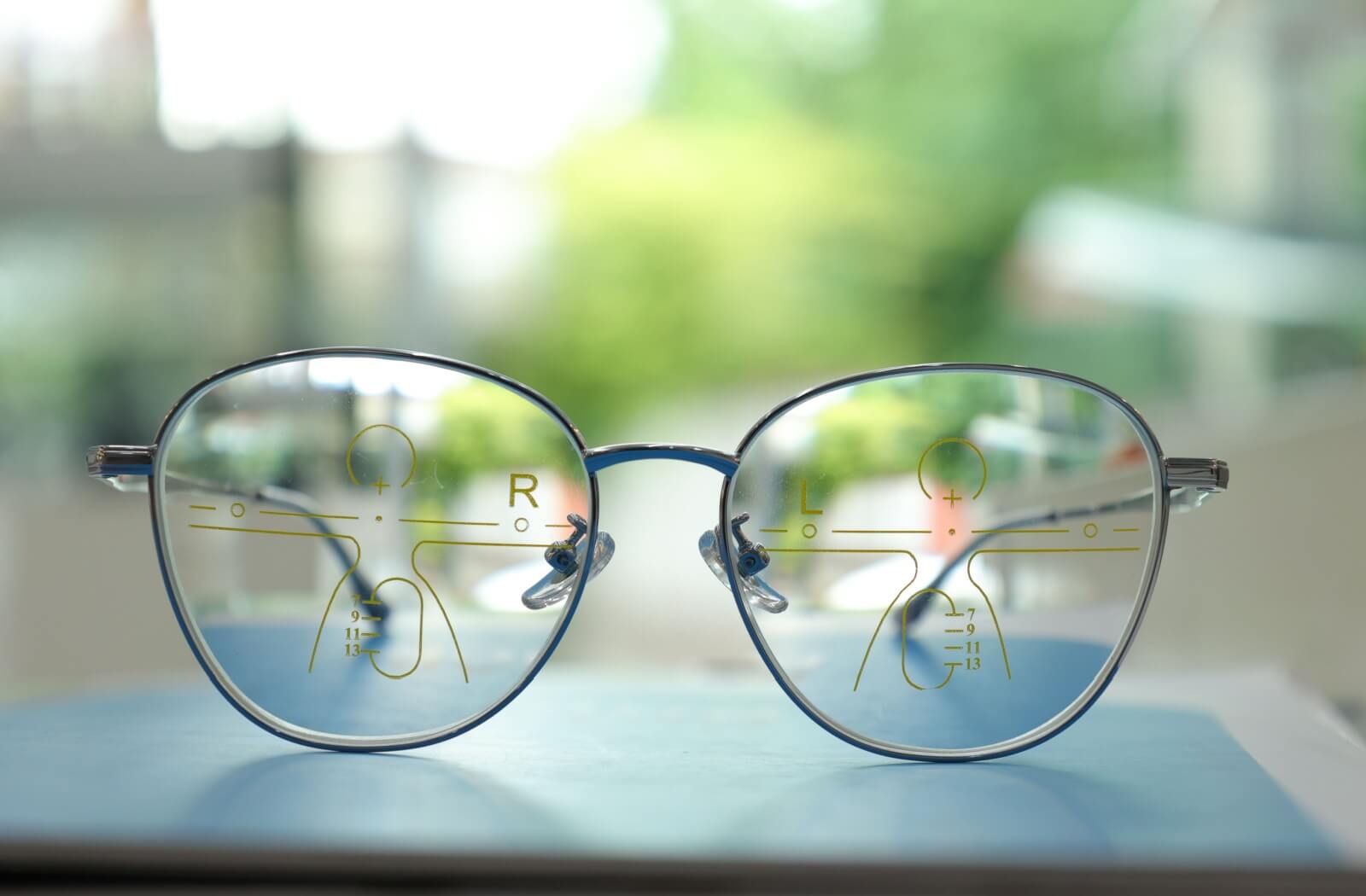
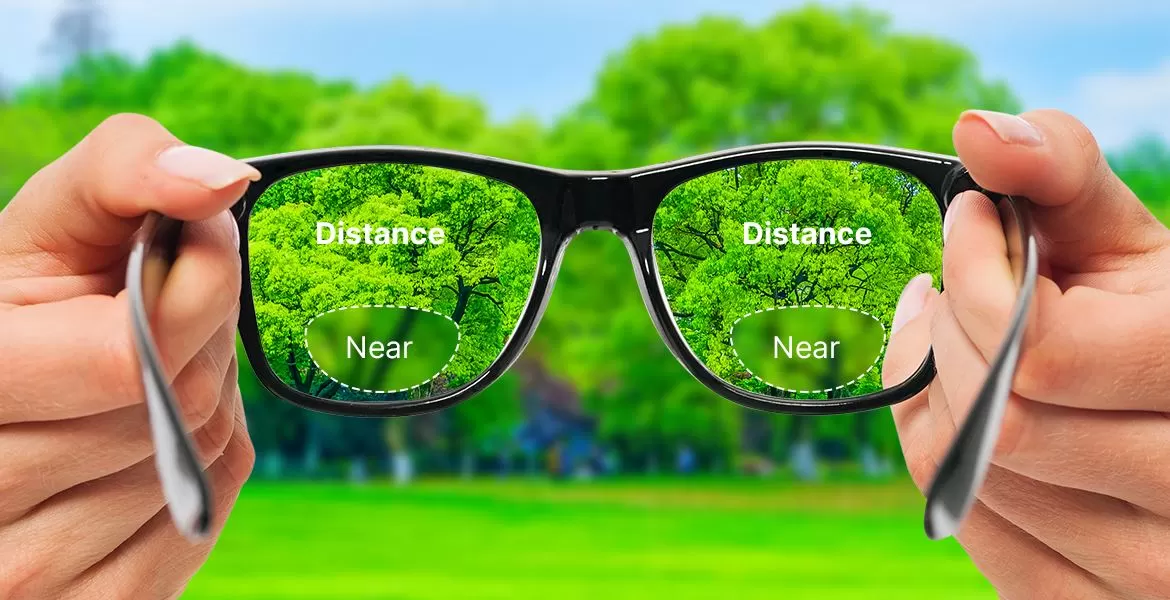
A no-line multifocal that provides a smooth, continuous transition from distance to intermediate to near — all in one lens, without a visible line. The most versatile lens option for patients who need correction at multiple distances. Adaptation is typically quick, and the outcome depends heavily on precise fitting — corridor placement, fitting height, and pantoscopic tilt are all measured in your chosen frame, on your face.

Bifocal

Two distinct zones in one lens — a distance correction up top and a defined reading segment below, separated by a visible line. A time-tested solution for patients who need both distance and near correction. The key measurement is segment height, taken in your actual frame and natural posture to ensure both zones land exactly where your eyes look.

Single Vision

A single optical power across the entire lens, correcting one focal distance — either far, near, or intermediate. The most straightforward lens option, and the right choice for patients who need correction at one primary distance. Single vision lenses are available in a wide range of materials and can be optimized with premium freeform digital surfacing for sharper peripheral clarity.

Reduce Digital Eye Strain with Computer Glasses

Computer / Occupational

Designed specifically for the distances involved in desk work — primarily the screen and the immediate workspace. Where a standard progressive allocates most of its real estate to distance vision, a computer lens prioritizes the intermediate zone, providing a wider, more comfortable field of view at monitor distance. The result is less head tilting, less neck strain, and significantly more comfort during long hours at a screen.

Lens Materials

The material your lens is made from affects its thickness, weight, durability, and optical clarity. The right choice depends on your prescription strength, your frame style, and how you use your glasses day to day. Abe will recommend the most appropriate material for your specific situation.

Plastic

The most widely used lens material and a reliable, time-tested option for mild to moderate prescriptions. Plastic lenses offer excellent optical clarity and are available with a full range of coatings and treatments. For patients with straightforward prescriptions in standard frame sizes, plastic delivers consistent, dependable visual performance.

Polycarbonate

A lightweight, impact-resistant material that is significantly more durable than standard plastic. Polycarbonate is inherently UV protective and is the required material for children and young adults under 18, as well as for patients with one functional eye. A practical choice for active lifestyles, sports frames, and rimless or semi-rimless mountings.

Trivex

Similar to polycarbonate in terms of impact resistance and UV protection, but with superior optical clarity and slightly lighter weight. Trivex is an excellent choice for rimless frames, where the material needs to withstand the tension of drill mountings without compromising optics. For patients who want the safety of impact resistance without any compromise in visual quality, Trivex is often the better option.

High Index 1.67 & 1.74

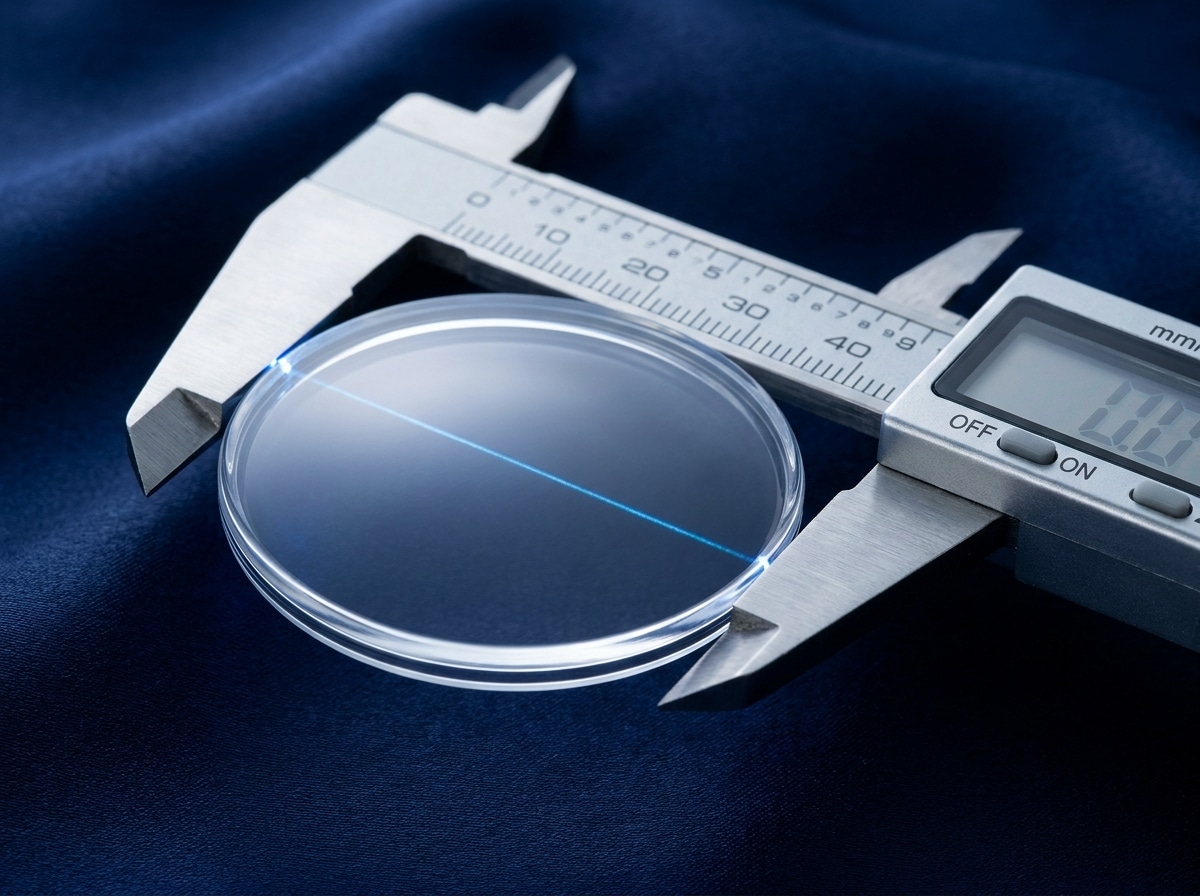
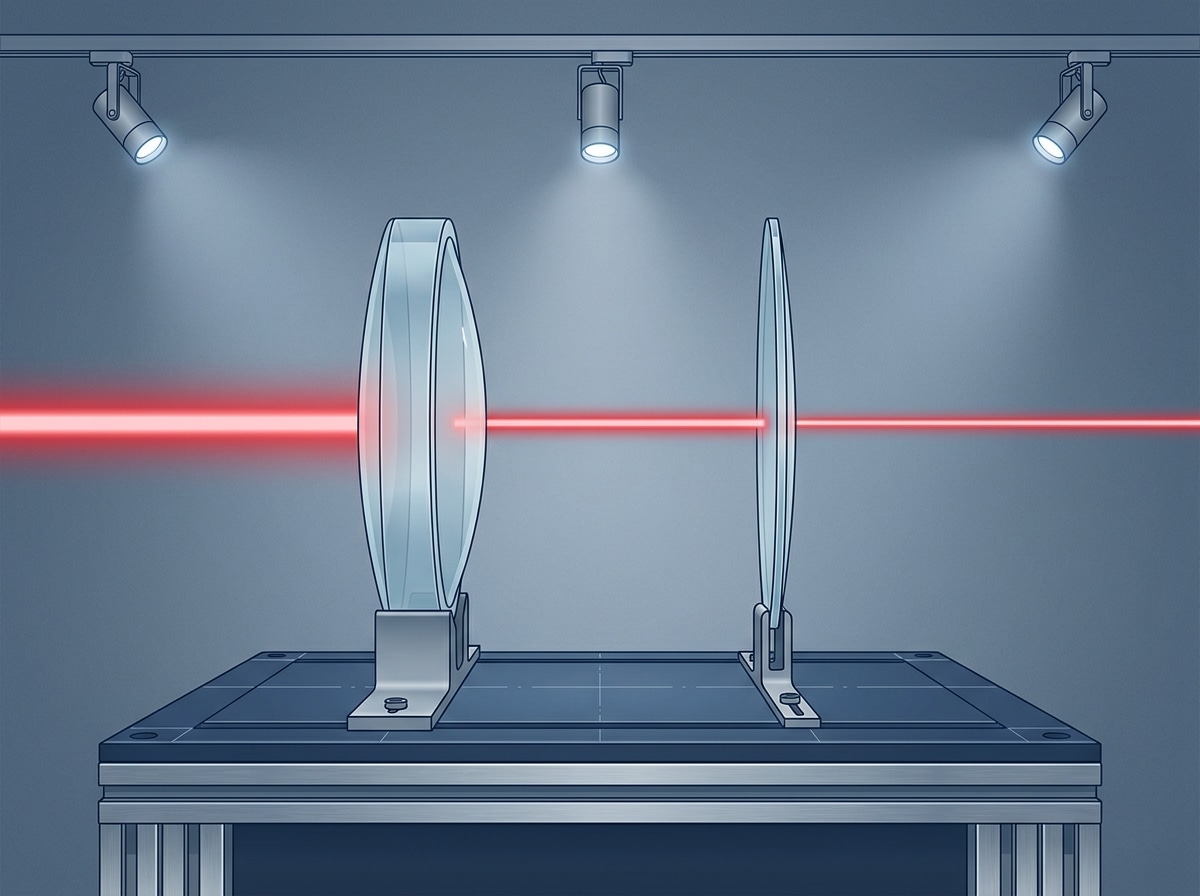
For stronger prescriptions, high index materials bend light more efficiently, requiring less material to achieve the same correction. The result is a noticeably thinner, lighter lens that looks and feels better in the frame. The 1.67 index works well for a broad range of stronger prescriptions, while 1.74 — the thinnest material available — is reserved for the strongest prescriptions where every millimeter of edge thickness matters. Frame choice and precise optical centering are equally important in getting the most out of high index lenses.

Lens Coatings

A lens coating is a treatment applied to the lens surface that enhances performance, protection, and longevity. At VIEWTOPIA, every lens we dispense includes both a scratch resistant treatment and an anti-reflective coating as standard — not optional upgrades. Beyond that baseline, additional coatings are recommended based on your lens material, your prescription, and how you use your glasses every day.

Anti-Reflective

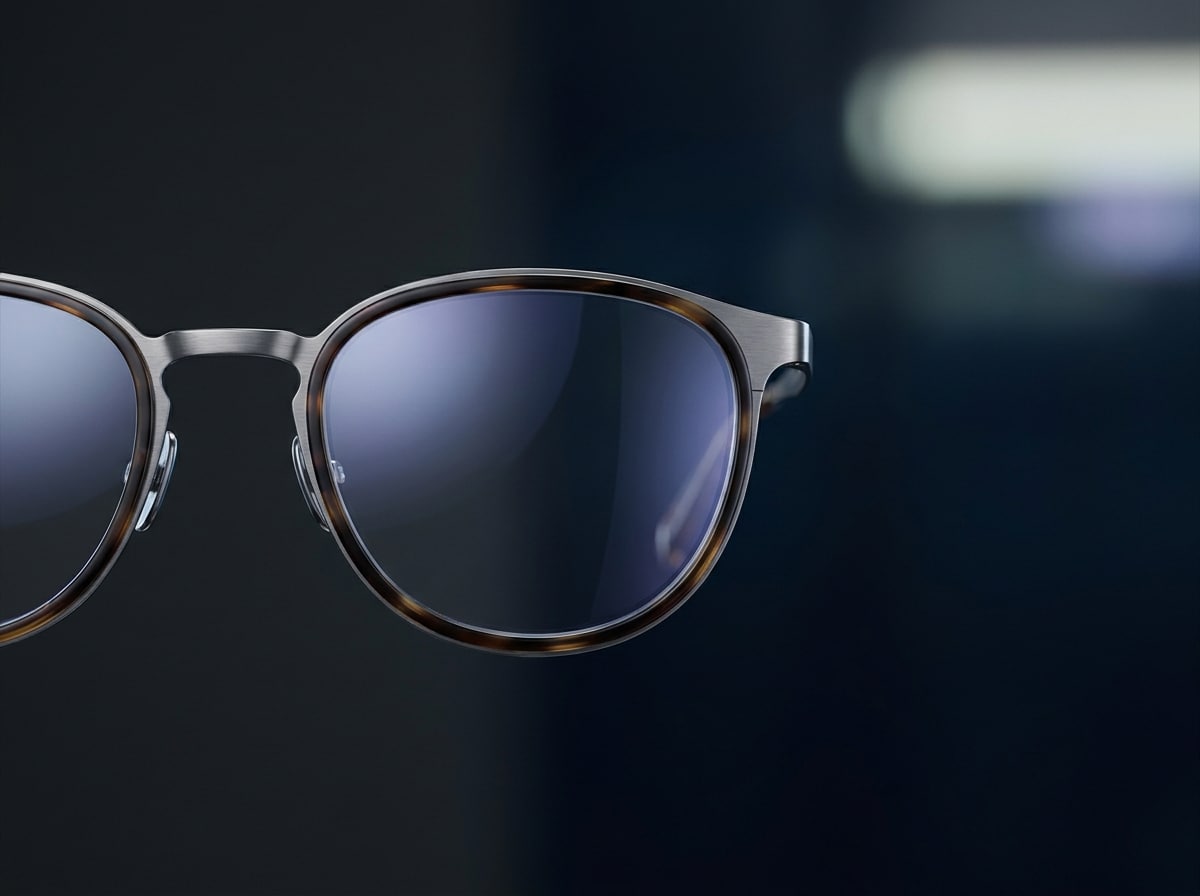
The most impactful coating in everyday optical performance — and a standard inclusion on every lens at VIEWTOPIA. Anti-reflective treatment eliminates the distracting reflections that bounce off the front and back surfaces of your lenses — the kind that cause eye fatigue under fluorescent lighting, reduce contrast on screens, and create glare when driving at night. The result is a lens that lets more light through, looks better to anyone facing you, and performs significantly better in challenging light conditions. It’s also worth knowing that a scratch resistant coating is required as a base for the anti-reflective to bond properly to the lens — which is why the two always go together. Premium anti-reflective coatings also include a hydrophobic layer that causes water, oils, and fingerprints to bead up and wipe away cleanly rather than smearing across the surface.

Scratch Resistant

While no lens is truly scratch proof, a scratch resistant treatment meaningfully extends the life of a clear, undistorted view by protecting the surface against the minor abrasions of everyday handling — bags, cases, cleaning cloths, and the occasional face-down moment. Over time and with regular wear, even treated lenses will show signs of use — but the coating significantly slows that process.

Ultraviolet Protection

Prolonged exposure to ultraviolet radiation is a leading contributing factor to cataracts and macular degeneration — two of the most common causes of vision loss over time. UV protection blocks 100% of UVA and UVB rays before they reach the eye. Some lens materials, like polycarbonate and Trivex, are inherently UV protective. For plastic and high index lenses, UV treatment is applied as a coating and should always be included regardless of whether a tint or anti-reflective coating is added.

Tint

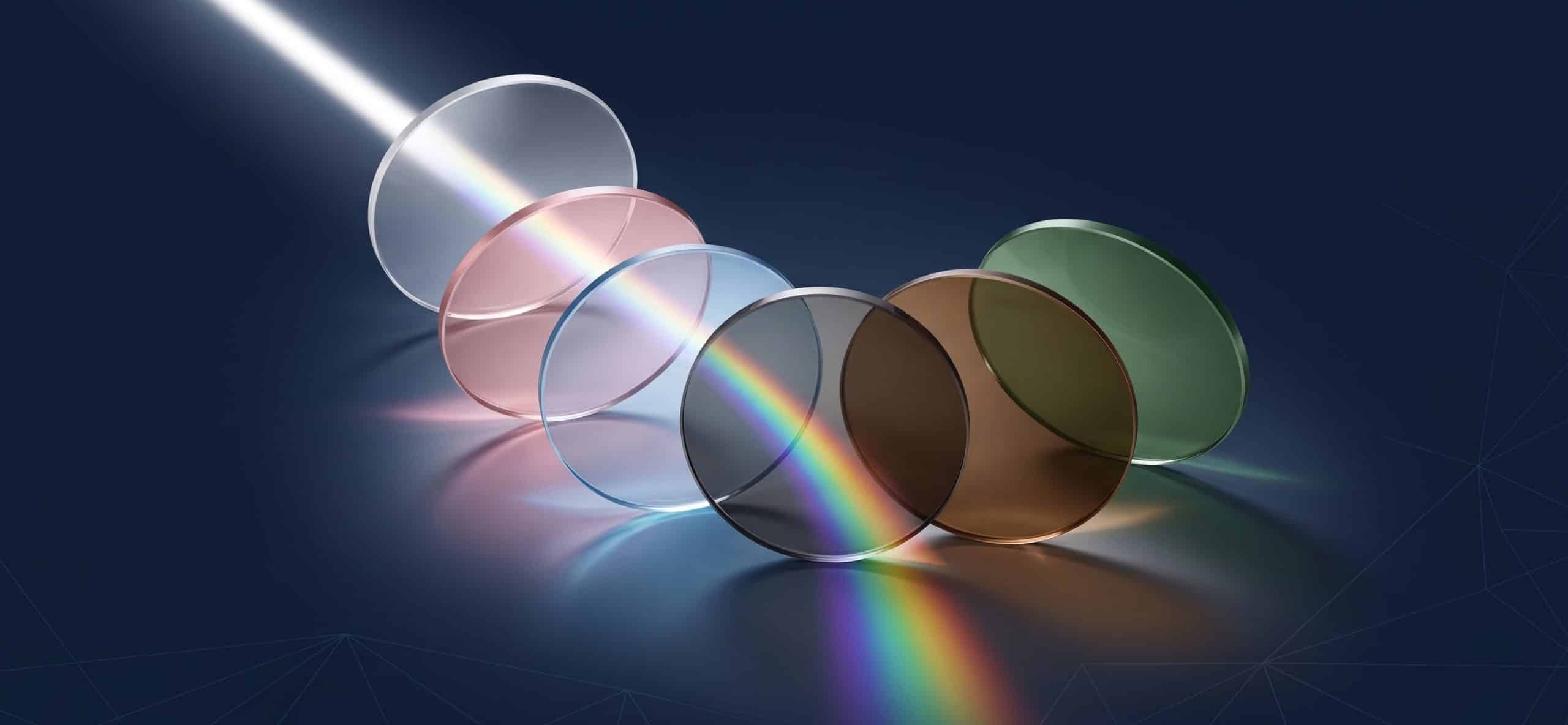
A tint is a color applied to the lens that reduces overall brightness and can serve both functional and aesthetic purposes. Functional tints — typically grey, brown, or green — are used in sunglasses and outdoor eyewear to manage light intensity without distorting color perception. Grey preserves the most natural color balance, brown enhances contrast, and green splits the difference. Fashion tints in lighter densities can also be applied to everyday eyewear for style. A tint alone does not provide UV protection — UV treatment must be added separately.

Lifestyle Lenses

Beyond prescription correction and standard coatings, some lenses are designed to enhance the way you see in specific environments and situations. These are choices driven by how you live your day — not just what your prescription requires.

Transitions / Photochromic

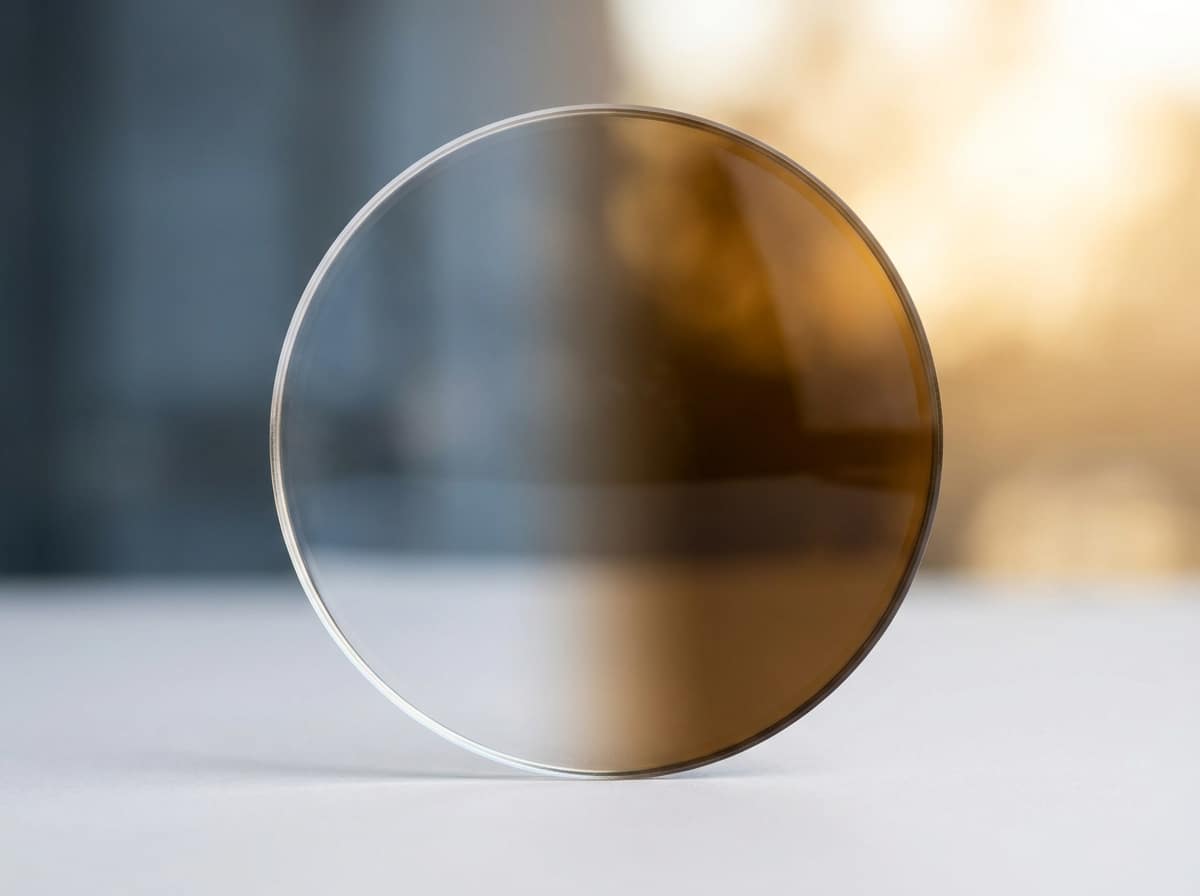
Transitions lenses automatically adapt to changing light conditions — clear indoors and darkening outdoors in response to UV exposure. For patients who move frequently between indoor and outdoor environments, they eliminate the need to switch between eyeglasses and sunglasses throughout the day. Transitions lenses also provide 100% UV protection and inherently block a significant amount of blue light — making them a versatile all-in-one solution for patients concerned about both outdoor UV exposure and everyday screen use. Available in multiple colors and across virtually every lens brand and material we carry, including options that activate behind a car windshield for drivers. VIEWTOPIA holds the Transitions Experts certification, ensuring the right product is matched to the right patient.

Polarized

Polarized lenses contain a specialized filter that blocks horizontally reflected glare — the kind that bounces off wet roads, car hoods, water, and snow. Unlike a standard tinted lens that simply reduces overall brightness, polarized lenses actively eliminate the specific type of glare that causes eye fatigue, reduces contrast, and makes driving in full sun genuinely uncomfortable. An essential choice for drivers, water enthusiasts, and anyone who spends meaningful time outdoors. Available in prescription and non-prescription.

Blue Light Filtering

Blue light filtering lenses incorporate a coating that reduces exposure to high-energy visible light emitted by digital screens, LED lighting, and fluorescent environments. The most noticeable benefit is for patients who use screens heavily in the evening, where blue light exposure can interfere with sleep quality and contribute to digital eye strain.

Mirror

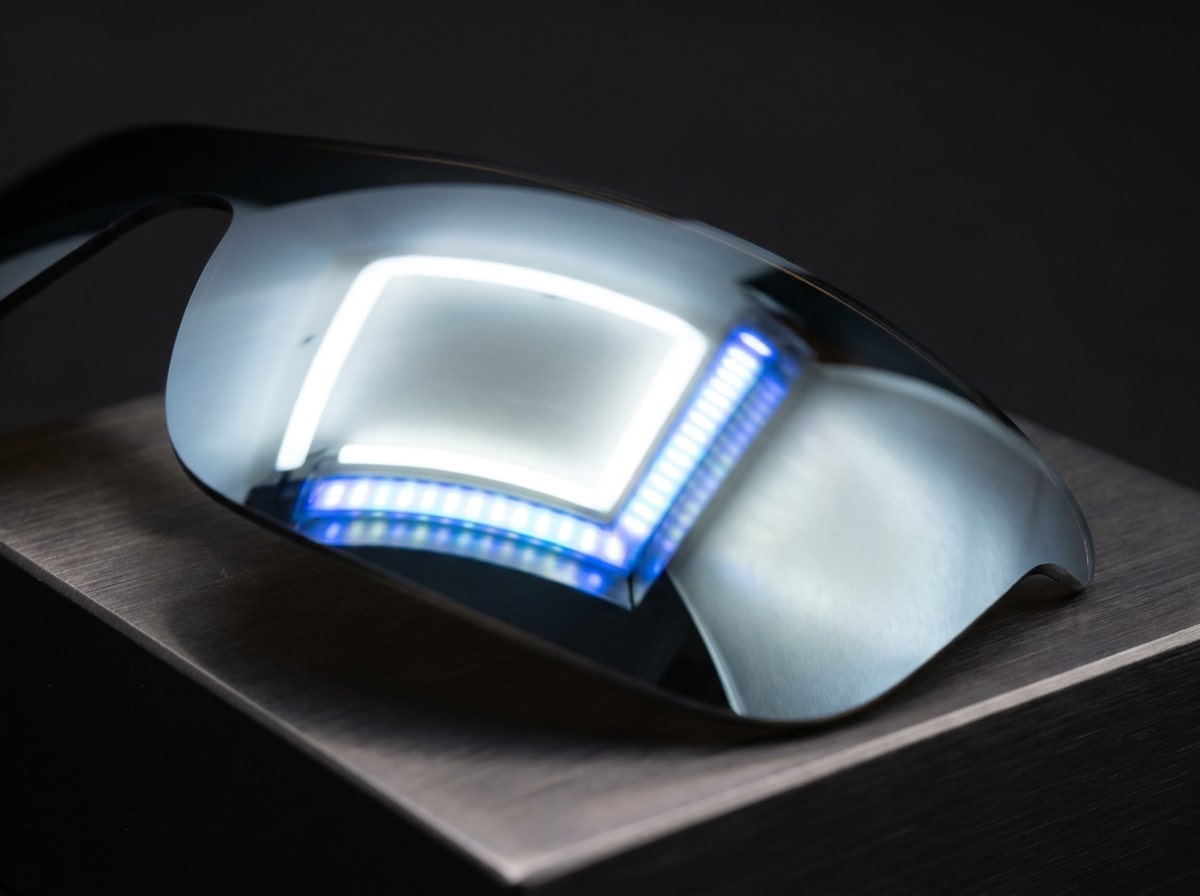
A mirror coating is applied to the front surface of a sunglass lens, reflecting light away before it even reaches the tinted lens beneath. Beyond the bold, distinctive look, mirror coatings are particularly effective in high-glare environments — bright snow, open water, and intense outdoor settings where standard tints alone aren’t enough. Available in a range of colors, each with slightly different light filtering characteristics.

Need Guidance? We’re Just a Call Away.

810 Kings Highway
Bet. East 8th & 9th
Brooklyn, NY 11223

OR Drop by Our Store for a Personalized Fitting