Contact Lenses For Astigmatism
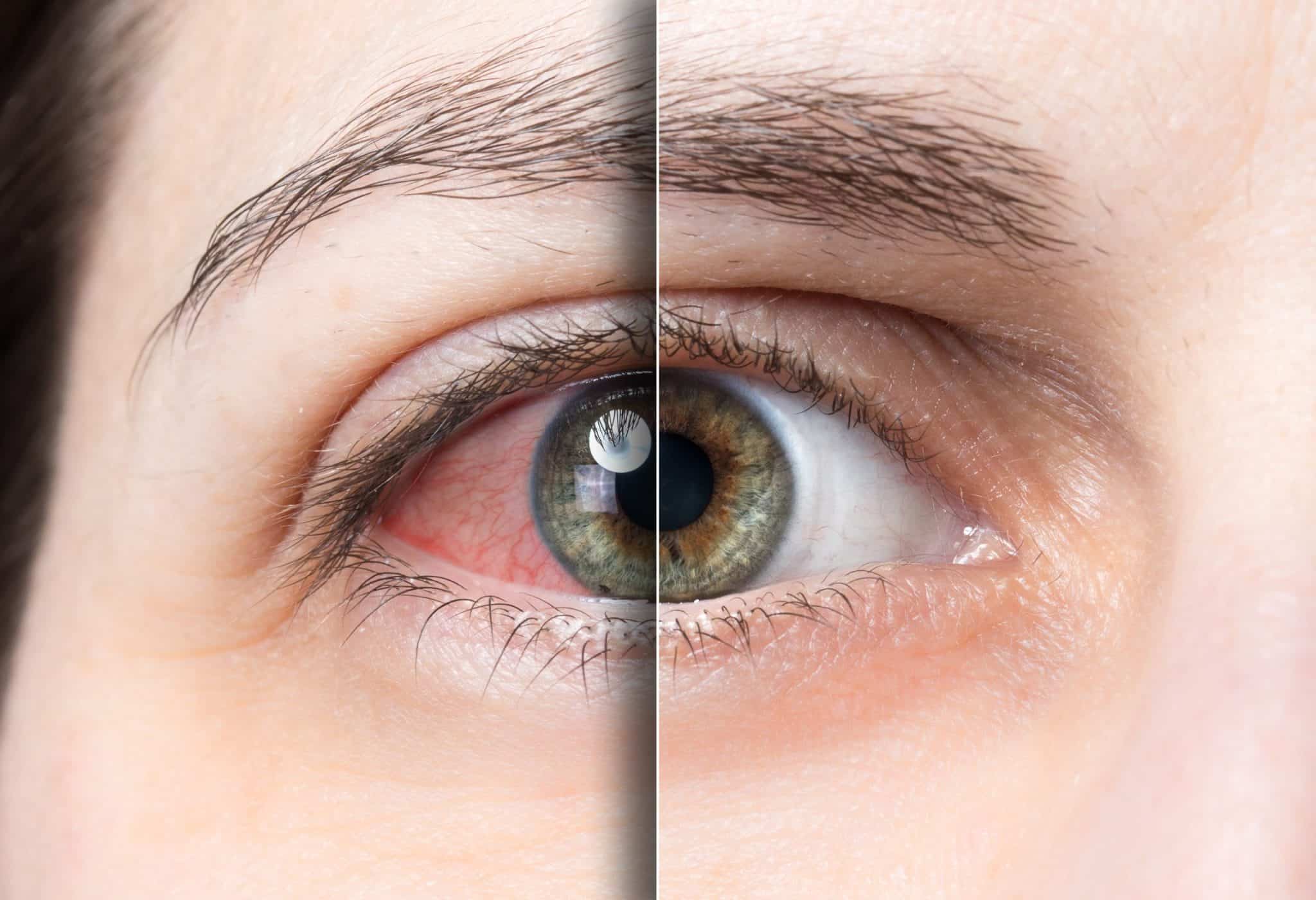
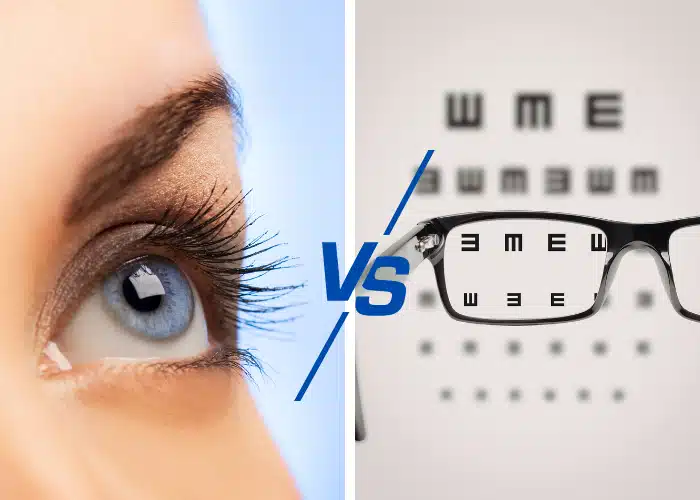
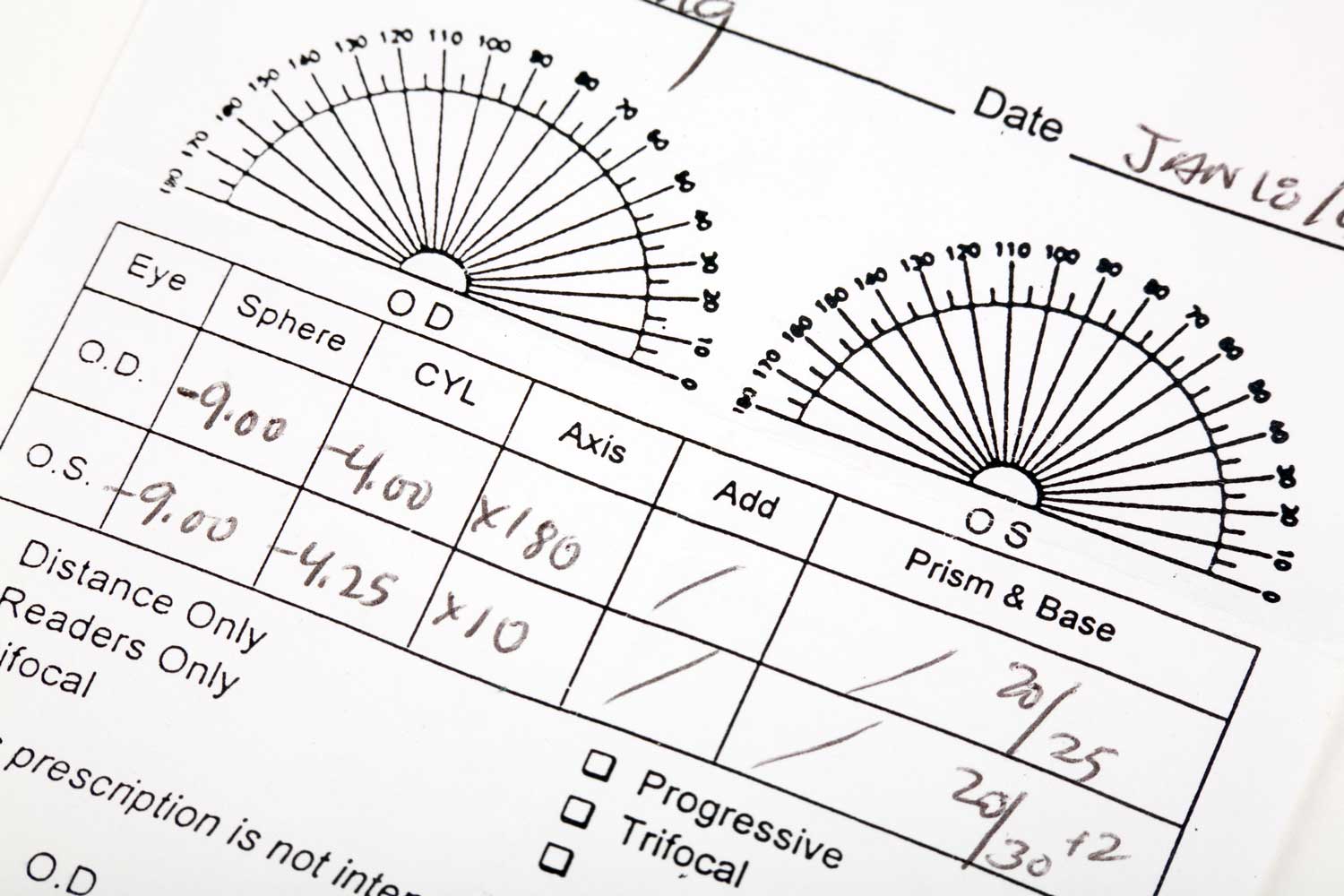
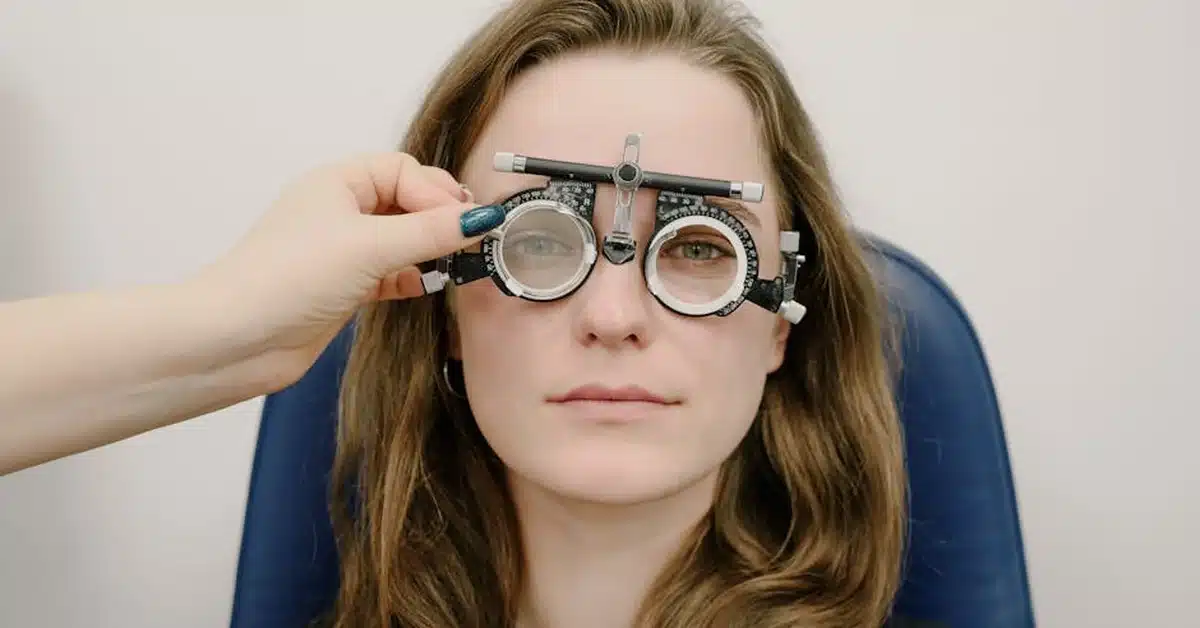
If you’ve been dealing with blurry vision, you know how frustrating it can be. Maybe you’ve tried glasses, and they just don’t feel right. Here’s some good news. Contact lenses for astigmatism have come a long way in recent years. They offer a clear vision without the hassle of frames sliding down your nose. I’ve helped countless patients make the switch from glasses to contacts. The difference in their daily lives is remarkable. Let me walk you through why these lenses might be perfect for you, too. What Is Astigmatism and What Can Cause Astigmatism? Let’s start with the basics. Astigmatism happens when your cornea or lens has an irregular shape. Instead of being round like a basketball, it’s shaped more like a football. This causes light to focus unevenly on your retina. The result? Blurry or distorted vision at all distances. So what can cause astigmatism in the first place? Most people are simply born with it. It’s genetic and runs in families. Eye injuries can also cause astigmatism to develop later in life. Certain eye surgeries might contribute to it as well. The good news is that contact lenses for astigmatism correct this issue effectively. I’ve seen patients go from squinting at everything to seeing crystal clear within days. Recognizing Common Symptoms of Astigmatism Many people live with astigmatism symptoms without even realizing it. You might experience frequent headaches, especially after reading or screen time. Eye strain and fatigue are super common signs, too. Squinting to see things clearly is another red flag. Some folks notice halos around lights at night while driving. These symptoms of astigmatism often get worse over time if left uncorrected. That’s why catching it early matters so much. I always tell my patients to pay attention to these warning signs. If words look fuzzy, whether near or far, that’s your cue. Contact lenses for astigmatism can eliminate these annoying symptoms quickly. How Your Eye Doctor Diagnoses This Conditio Your eye doctor uses several tests to check for astigmatism. A comprehensive eye exam reveals exactly how your cornea is shaped. They’ll use a device called a keratometer to measure the curvature. A phoropter helps determine your exact prescription needs. The whole process takes about 30 minutes. It’s painless and straightforward. Once diagnosed, your eye doctor will discuss treatment options with you. Many patients discover that contact lenses for astigmatism work better than they expected. I’ve had patients walk out of the office, amazed at how simple the solution was. Why Contact Lenses for Astigmatism Beat Glasses Glasses work fine for many people. But contact lenses for astigmatism offer some significant advantages. First, you get a wider field of vision. No frames blocking your peripheral view. Athletes especially love this benefit during games and workouts. Here’s what makes contacts stand out: They move with your eyes for natural vision No fogging up when you walk inside from the cold Rain and sweat don’t obstruct your view They’re invisible, so they don’t change your appearance Perfect for active lifestyles and sports I’ve worn both glasses and contacts myself. The freedom contacts provide is honestly game-changing. Contact lenses for astigmatism stay stable on your eye throughout the day. Modern designs keep them from rotating, which used to be a problem. Understanding Your Type of Astigmatism and Correction Options Not all astigmatism is the same. There are different types depending on where the irregular curvature exists. Corneal astigmatism involves the cornea’s shape. Lenticular astigmatism relates to the lens inside your eye. Your specific type of astigmatism determines the best correction approach. Toric lenses are the most common correction option for contact wearers. These specially designed lenses have different powers in different zones. They’re weighted to stay properly positioned on your eye. Contact lenses for astigmatism have improved dramatically in comfort and effectiveness. Today’s options fit better and last longer than ever before. Vision Correction Benefits You’ll Notice Right Away The vision correction you get from proper contacts is incredible. Everything becomes sharper almost instantly. Text on screens looks crisp. Road signs are readable from further away. Even faces appear more defined and clear. Many patients tell me they forgot what a truly clear vision felt like. After years of squinting and straining, they finally get relief. Contact lenses for astigmatism provide consistent correction all day long. Unlike glasses, they don’t shift when you move around. Your vision correction stays stable whether you’re working out or just relaxing. Astigmatism in Children and Contact Lens Solutionss Astigmatism in children is more common than many parents realize. Kids often don’t know their vision is abnormal. They assume everyone sees the same blurry way they do. That’s why regular eye exams starting young are so important. Can kids wear contact lenses for astigmatism? Absolutely. Many children adapt to contact faster than adults do. They’re often more motivated to care for them properly, too. Sports, school, and social activities become easier. I’ve seen shy kids gain confidence once they ditched their glasses. Contact lenses for astigmatism give children freedom to be themselves without worrying about broken frames. Why Contact Lenses for Astigmatism Are Worth Considering Making the switch to contacts is a personal decision. But the benefits speak for themselves. Better peripheral vision, improved comfort, and lifestyle flexibility matter. Contact lenses for astigmatism have transformed how people with this condition see the world. If you’ve been on the fence, I encourage you to give them a try. Talk to your eye care provider about your options. Many offer trial periods so you can test them out. The technology keeps getting better every year. Contact lenses for astigmatism might just change your life, like they’ve changed so many of my patients’ lives. Clear vision is waiting for you. Frequently Asked Questions Q: How long does it take to adjust to contact lenses for astigmatism? A: Most people adjust within one to two weeks. Your eyes need time to get used to the feeling. Start by wearing them for a few hours daily. Gradually