Optometrist & Ophthalmologist

independent eyewear store
Optometrist & Ophthalmologist

Licensed And Independent Eyewear Explained | Viewtopia Optical

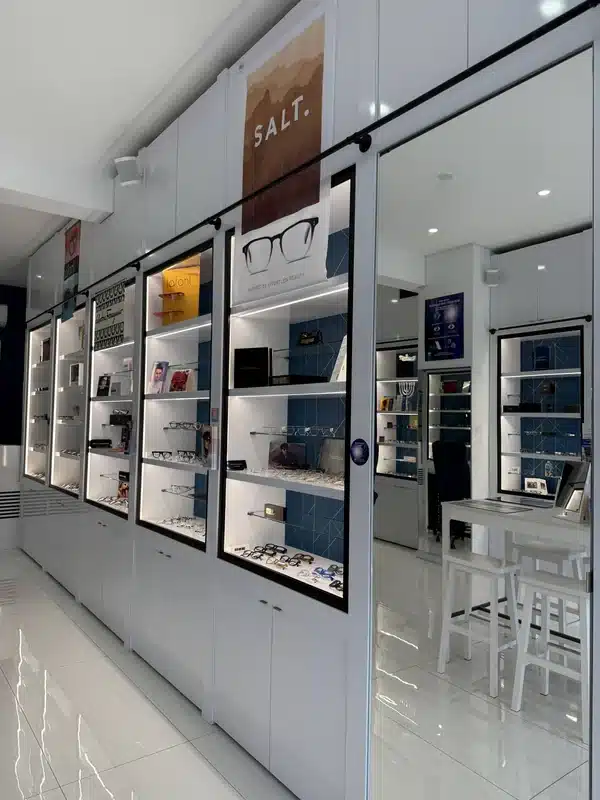
Walking into an optical shop can feel overwhelming. You see designer names everywhere, but what do those labels actually mean? There’s a real difference between licensed frames and independent eyewear options. Understanding this difference helps you make smarter choices. We’ve spent years helping customers find frames that truly fit their lifestyle. Today, we’re breaking down everything you need to know about these two categories. What Is Licensed Eyewear and How Does It Work? Here’s something most people don’t realize. When you buy frames with a famous fashion label, you’re often not getting glasses made by that brand. Licensed eyewear works through agreements between fashion houses and major manufacturers. Companies like Essilor, Luxottica, Safilo, and Marcolin produce frames for dozens of designer names. Think about brands like Prada, Chanel and Jimmy CHOO. These fashion giants don’t actually make their own glasses. They license their name to large eyewear corporations. Those corporations then design and manufacture the frames. You’re essentially paying for the logo and the fashion association. The actual production happens in massive facilities alongside many other brands. Understanding Independent Eyewear Brands Independent eyewear takes a completely different approach. These companies focus exclusively on creating exceptional frames. They’re typically designer-led or family-owned businesses with deep roots in optical craftsmanship. Names like Cutler and Gross, and Matsuda fall into this category. What makes independent eyewear special is the dedication to the craft. These brands don’t spread themselves too thin across clothing, bags, and perfumes. They pour everything into making the best possible eyewear. At VIEWTOPIA Optical, we’ve seen firsthand how this focus translates into superior products. The attention to detail is simply unmatched. Craftsmanship You Can Actually See and Feel When you hold a pair of independent eyewear frames, you notice the difference immediately. The hinges feel solid. The materials have weight and substance. Every edge is perfectly finished. This isn’t mass production on autopilot. Many independent eyewear makers still use traditional techniques. Some frames go through over 200 individual steps before completion. Cutler and Gross, for example, handcrafts their pieces in Italy. Each pair receives individual attention from skilled artisans. You can feel that care when you put them on your face. Quality Differences Between Licensed and Independent Eyewear Let’s talk specifics about what separates these categories. Licensed frames often prioritize fashion trends and brand recognition. They’re designed to appeal to the widest possible audience. Production costs stay low through economies of scale. The result is decent quality at various price points. Independent eyewear brands typically use premium materials throughout. They source better acetates, stronger metals, and precision hardware. Here’s what you often find with quality independent frames: Japanese titanium that weighs almost nothing Hand-polished acetate with rich, deep colors Custom hinges designed for durability Better spring mechanisms for a comfortable fit Unique designs you won’t see everywhere The biggest point with independent frames is that they’re produced in limited quantities, ensuring exclusivity and individuality. A great example of this is the Matsuda 2809H-V2. The investment goes into the actual product, not marketing campaigns. When we fit customers with independent eyewear at our shop, they immediately feel the upgrade. Why Independent Eyewear Stands Out at Viewtopia Optical We chose to carry independent eyewear brands for very specific reasons. At Viewtopia Optical, personalized service matters deeply to us. We believe in the in-store experience. Independent brands align perfectly with this philosophy. These smaller companies often provide better support and education for optical shops. We can tell you exactly where your frames came from. We know the designers’ stories and their commitment to quality. This knowledge helps us match you with frames that truly suit your face and lifestyle. Independent eyewear gives us the tools to provide exceptional, personalized recommendations. How to Choose Between Licensed and Independent Eyewear So which option works best for you? It depends on your priorities. Licensed frames make sense if you love a particular fashion house’s aesthetic. They’re widely available and often more affordable. You’ll find plenty of style options across different price ranges. However, independent eyewear wins when quality and uniqueness matter most. These frames last longer with proper care. They offer distinctive designs that stand apart from the crowd. You’re supporting smaller businesses and dedicated craftspeople. Many of our customers at Viewtopia Optical prefer this approach once they understand the differences. Consider your daily wear patterns, too. Independent eyewear is much like jewelry, while you can be more rough to them than the usual licensed brand, even too much roughhousing can make a Matsuda frame look like garbage. If frames are more of an occasional accessory, licensed options might work fine. We always encourage customers to try both and feel the difference themselves. Finding Your Perfect Frames at Viewtopia Optical Choosing eyewear should be an enjoyable experience. That’s exactly what we aim for at Viewtopia Optical. Our team takes time to understand your needs, style preferences, and lifestyle. We don’t rush you through the selection process. We’ve got you covered. Our collection features carefully selected options that meet our quality standards. We believe everyone deserves frames that fit perfectly and look amazing. Stop by and let us help you discover the difference personalized optical service makes. Your eyes deserve the best, and we’re here to deliver exactly that. Whether you choose licensed or independent eyewear, manufacturers always ensure that their frames are solid. Companies like Safilo and Marchon are massive and yet met high-quality products.

The 3 Types Of Eye Doctors
Optometrist & Ophthalmologist

The 3 Types Of Eye Doctors: Optician, Optometrist & Ophthalmologist

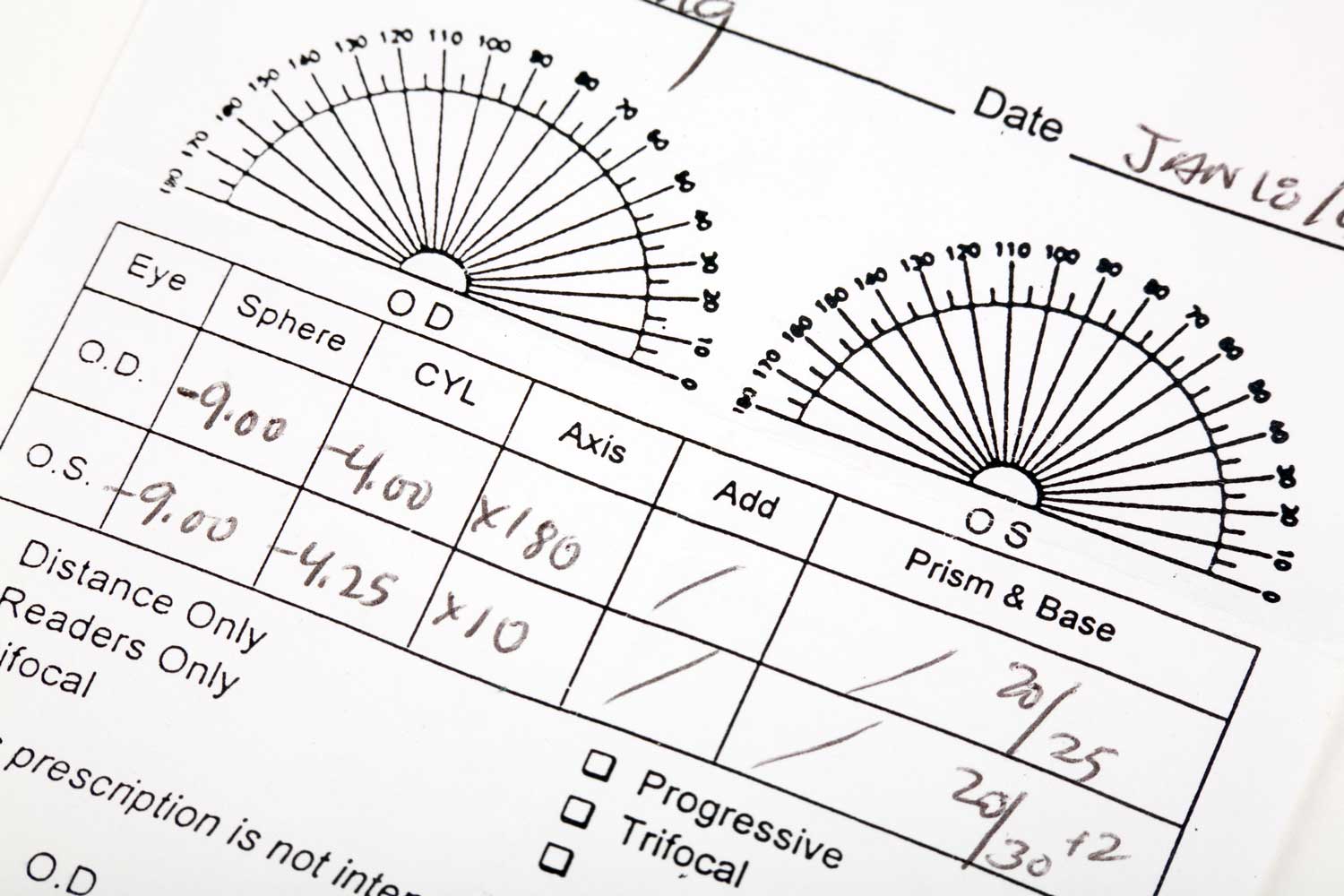
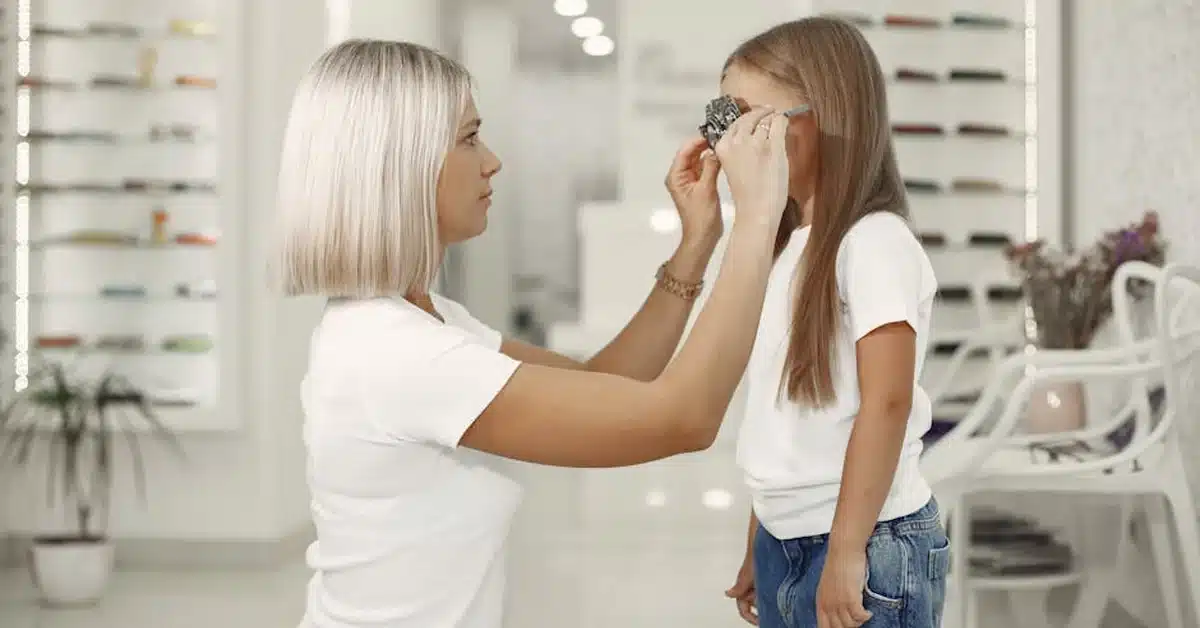
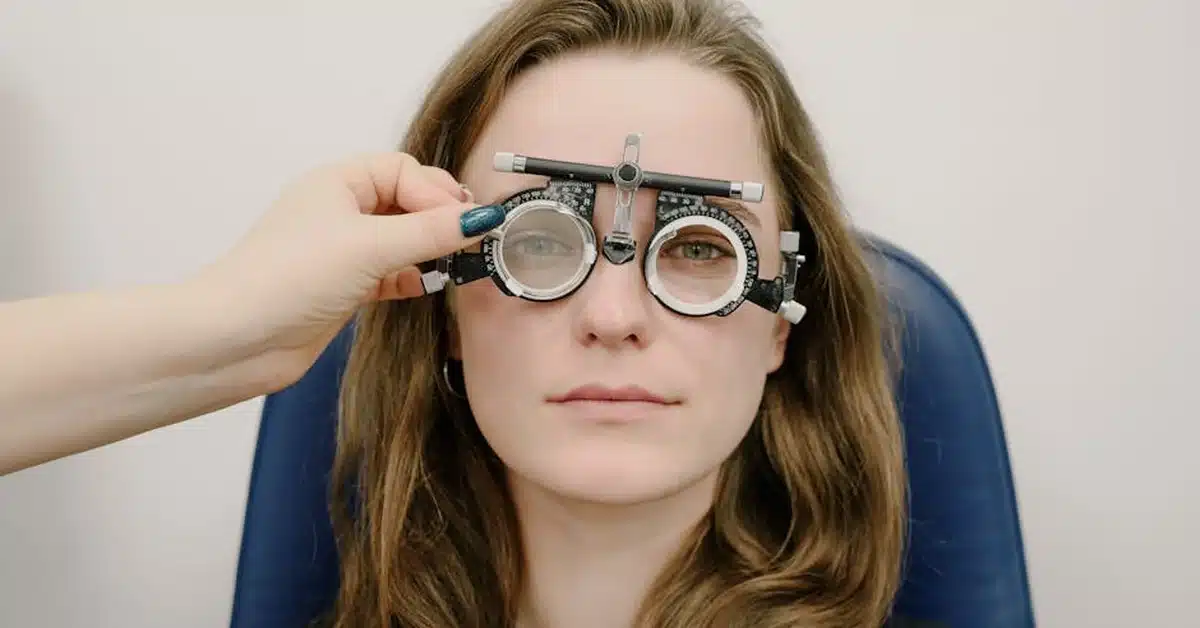
Walking into an eye care office can feel confusing. You hear terms like optician, optometrist, and ophthalmologist everywhere. What do they all mean? And which one do you actually need? Here at Viewtopia Optical in Brooklyn, we get these questions daily. After 35 years in the eyewear business, we know how important clarity is. This guide breaks down the different types of vision care professionals. You will learn exactly who does what and when to visit them for your needs. What Are the Three Types of Eye Doctors? Eye doctors fall into three main categories. Each one plays a different role in keeping your vision sharp. Opticians like us focus on fitting eyeglasses and contact lenses. Optometrists perform comprehensive exams and diagnose common conditions. Ophthalmologists are medical doctors who handle surgery and serious diseases. Knowing the difference between these eye doctors helps you get proper care. Think of it like a team working together for your eyes. You might see one of these eye doctors for your annual checkup. They write your prescription after examining you. Then you visit an optician to find perfect frames. If something serious comes up, another specialist steps in. Each professional brings their own expertise to the table. Understanding this system saves you both time and money. What Does an Optometrist Do for Your Vision? Optometrists are your go-to eye doctors for routine exams. They check your vision and look for common problems like nearsightedness. They also spot early signs of conditions like glaucoma or diabetes. After your exam, they write prescriptions for glasses or contacts. Most people see their optometrist once a year for checkups. These visits catch issues before they become bigger problems. These eye doctors complete a four-year doctoral program after college. They earn a Doctor of Optometry degree through rigorous training. This prepares them to diagnose and manage many conditions effectively. However, they do not perform surgery on patients. If you need surgical treatment, they refer you elsewhere. For most everyday vision needs, an optometrist has you covered completely. Understanding the Ophthalmologist’s Role Ophthalmologists are medical doctors specializing in complete eye care. They go through medical school plus additional residency training afterward. This extensive background lets them perform delicate eye surgery. They treat complex diseases like macular degeneration and severe glaucoma, too. When your needs go beyond basic care, these eye doctors step in. You might visit an ophthalmologist for cataract surgery or laser correction. They handle trauma cases and serious infections as well. Some specialize further in areas like retina treatment specifically. Your optometrist often coordinates with ophthalmologists when patients need advanced help. It is truly a team approach that keeps your eyes healthy long-term. How Opticians Work to Perfect Your Eyewear Here is where we come in at Viewtopia Optical. Opticians work directly with your prescription to create perfect eyewear. We take precise measurements of your face and eye positioning. We help you choose frames that match your style and budget easily. Then we ensure your lenses are cut and fitted correctly. It combines technical skill with personalized customer service. Our Brooklyn team has spent over 35 years perfecting this craft daily. We analyze your prescription and recommend the best lens options available. Do you need progressive lenses or blue light protection? We guide you through every single choice patiently. Opticians work as the final step in your vision journey. We turn that prescription into glasses you will actually love wearing. When to See an Optician for Glasses or Contacts You should see an optician after getting your prescription from another eye doctor. Bring that prescription to us at Viewtopia Optical anytime. We handle everything from frame selection to final adjustments carefully. Need new frames, but your prescription is still current? Come on in. Having trouble with your current glasses fitting properly? That is our specialty here. Here is when to visit different eye doctors: Annual exams and prescriptions: See an optometrist New glasses or contact lenses: Visit an optician Eye surgery needs: Consult an ophthalmologist Frame adjustments and repairs: Your optician handles this Serious eye disease treatment: An ophthalmologist manages this Why Viewtopia Optical Is Your Brooklyn Eyewear Expert At Viewtopia Optical, we bring 35 years of expertise to every customer. Our Brooklyn location offers personalized consultations for all eyewear needs. We carry high-quality frames for every style and budget preference. Our innovative technology ensures precise lens fitting every single time. You get fashion-forward choices combined with expert guidance throughout. We are opticians who genuinely care about your complete experience here. Our knowledgeable team takes time understanding your lifestyle needs first. Do you work on computers all day or play sports regularly? We find solutions that match exactly how you live daily. Customer satisfaction drives everything we do at our shop. When you need eye doctors who actually listen, we are here. Choosing the Right Eye Doctors for Your Vision Needs Understanding the differences between vision professionals truly matters for you. It helps you get appropriate care without wasting time or money. Start with an optometrist for your exam and prescription needs. Visit us at Viewtopia Optical for expertly crafted eyewear afterward. See an ophthalmologist if you need surgery or have severe conditions. Your vision deserves attention from qualified eye doctors who care deeply. Do not guess about whom to see for your specific needs. Use this guide to make informed choices going forward. In Brooklyn, Viewtopia Optical stands ready to help with all eyeglass needs. Stop by for a consultation with our experienced team today. Experience the difference that 35 years of expertise makes. Frequently Asked Questions Q: Can an optician write me a prescription for glasses? A: No, opticians cannot write prescriptions for eyeglasses or contacts. You need to visit an optometrist or ophthalmologist for an eye exam first. They diagnose your vision needs and create your prescription. Then you bring that prescription to an optician like Viewtopia Optical. We use it to craft your perfect eyewear with precision and care. Q: How often should

Scroll to Top