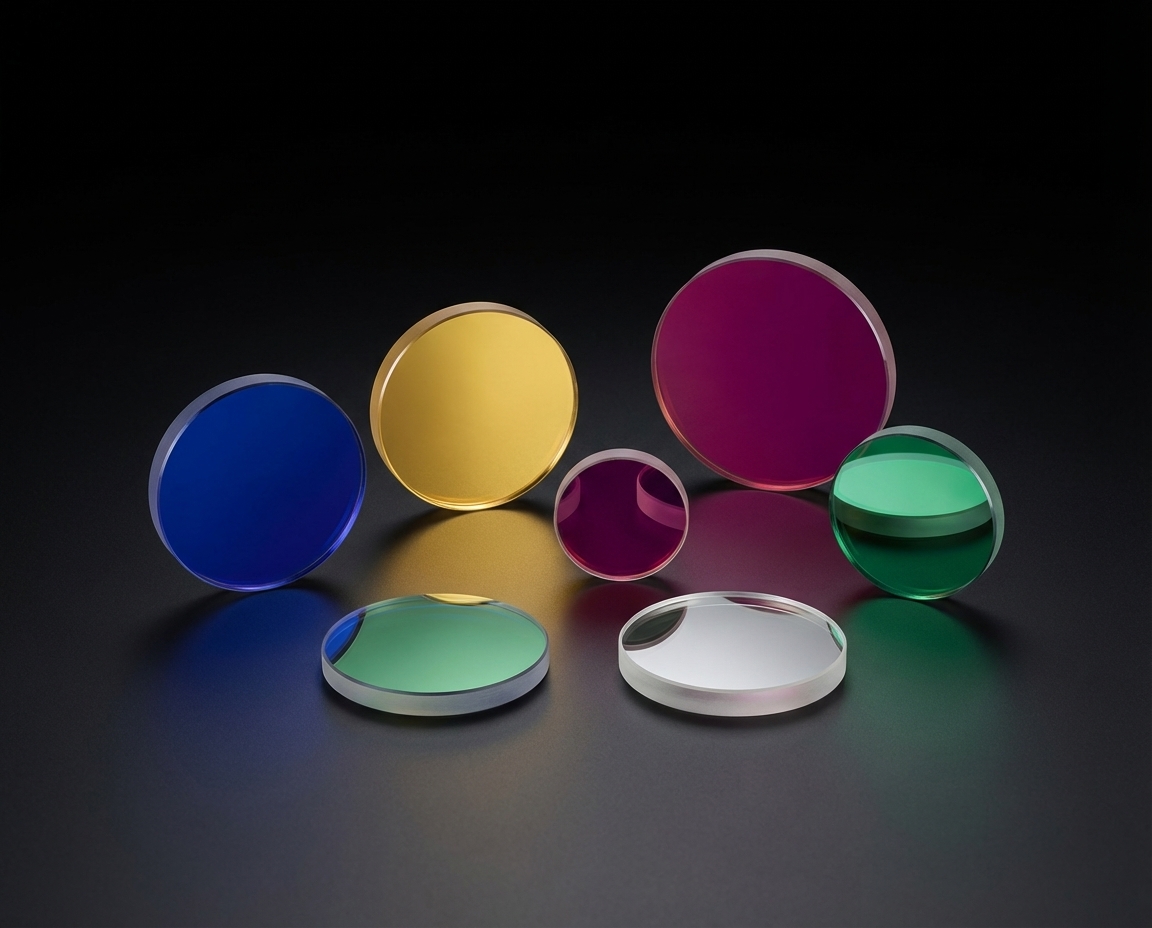
Lens Coatings in Brooklyn — Recommended Only When They Serve Your Lifestyle

AR, UV, scratch, hydrophobic — each explained honestly before anything is added to your order. Walk in to 810 Kings Highway for a coating consultation, no appointment needed.

Which Coatings Are Worth It

The right lens coating depends entirely on how you actually use your glasses — not on a package tier.

There are four primary coating types applied to prescription lenses: anti-reflective (AR), UV protection, scratch-resistant, and hydrophobic or oleophobic surface treatments. Each one does something specific and measurable. Each one is genuinely useful for some patients — and genuinely unnecessary for others.

What most people don’t realize about lens coatings: the decision to add one should start with a conversation about your daily life — your screen time, your driving habits, your outdoor exposure, and how you clean your lenses. A coating that performs beautifully for a Manhattan office worker might offer almost nothing to someone who spends most of their day outdoors.

No Package Pressure, Just Honest Advice

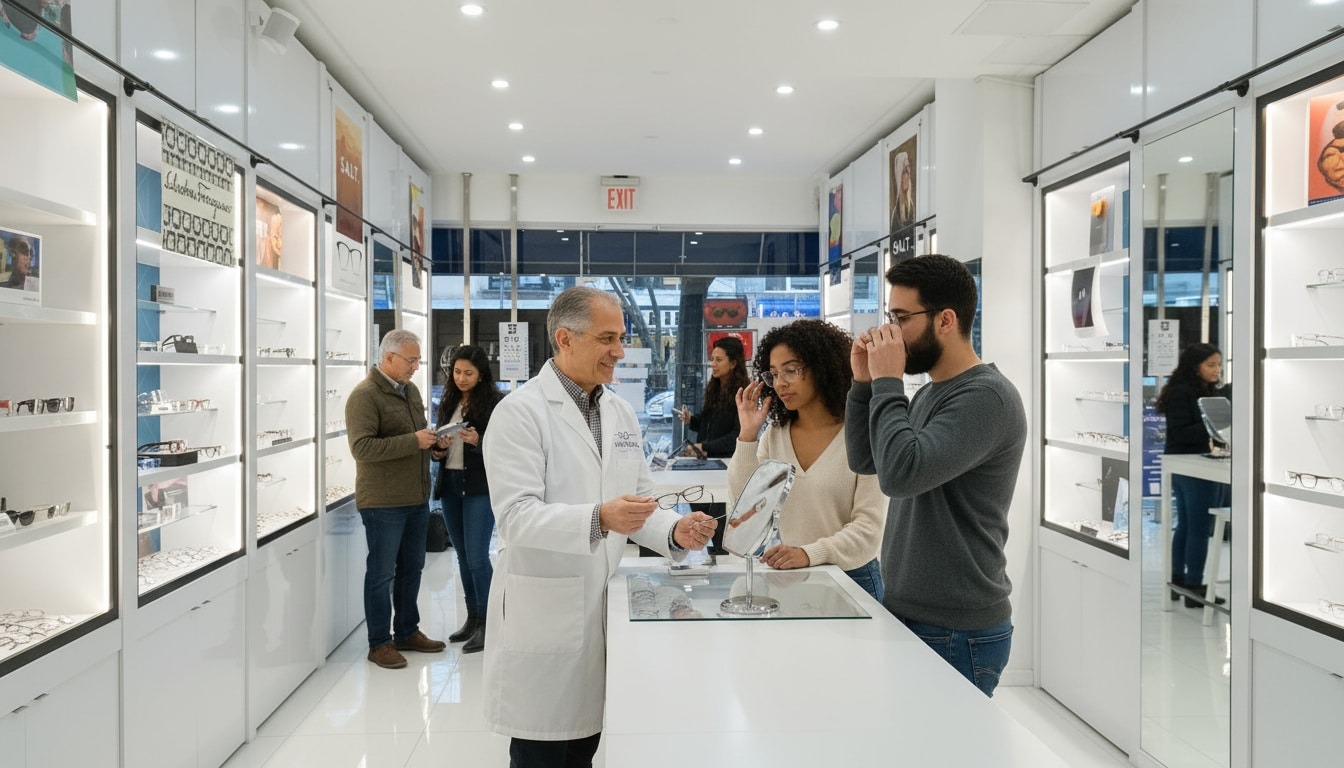
Viewtopia is a boutique dispensing practice — not a high-volume location running bundled coating packages.

Kings Highway sits at the intersection of several Brooklyn neighborhoods with genuinely different daily routines. Patients from Kensington, Windsor Terrace, and Ditmas Park reach Viewtopia in under 20 minutes — no bridge, no tunnel, no appointment required. Some are remote workers on screens eight hours a day. Some commute through the subway system twice daily. Some drive the Belt Parkway to work. Some are retired and reading in natural light most of the day.

Each of those patients has a different coating profile. Each deserves a recommendation built around their actual routine — not a default package selected for convenience. Abe’s ABO-NCLE certification includes formal examination in ophthalmic lens materials and coatings. That knowledge is applied every time. For patients with stronger prescriptions, the high-index lenses page covers how lens material affects coating compatibility.

Experience
35+ Years

Coating consultations at this Brooklyn counter

NYS Licensed
License No. 005762-01

Authorized to dispense in New York State

ABO & NCLE
Certificate No. 018067

Ophthalmic lens materials & coatings competency

The Boutique
A working atelier, not a chain store.
Craftsmanship
Hand-adjusted every detail.
Heritage
Three and a half decades of judgment.
How Coating Recommendations Are Made

Every coating recommendation at Viewtopia starts with specific questions about how you use your glasses.

Three primary variables determine which coatings make clinical sense for you. None of them appear on your prescription. All of them are reviewed before any coating is added to your order. No coating appears on the receipt that wasn’t discussed first.

01
Screen Time

Hours per day on devices

Computer, tablet, phone — combined. More than four hours a day makes anti-reflective coating a genuine clinical benefit for most patients. Under Brooklyn’s mix of LED office ceilings, fluorescent station lighting, and reflected storefronts, AR coating is practical for most patients in this neighborhood.

02
Driving Frequency

Especially night driving

Anti-reflective coating and UV protection both serve drivers. On the Belt Parkway, the BQE, or any highway at night, AR coating reduces the halo effect around oncoming headlights and improves clarity in low-light conditions. The urgency differs by how many hours you spend behind the wheel.

03
Outdoor Exposure

UV protection priority

How much direct sunlight do you accumulate in a day? Brooklyn patients who commute above-ground on the B or Q lines accumulate significant UV exposure. UV400 protection matters more with frequent outdoor time — it’s worth having regardless, but the urgency differs by routine.

A fourth question — how you clean your lenses — determines which scratch and hydrophobic coating tier makes sense. A coating that doesn’t suit how you actually handle your glasses won’t last. That’s not a product problem; it’s a fit problem. The consultation prevents it.

What Coating Durability Actually Depends On

Coating failure is almost always either a product quality issue or a cleaning habit issue. Rarely both. Usually one.

Lens index material and AR coating must be chemically compatible. A coating rated for standard CR-39 plastic applied to a 1.67 high-index lens may fail within 18 months even with careful handling. At Viewtopia, lens material and coating type are selected together — if the coating stack isn’t rated for the index you need, it doesn’t go on the order.

The Coating Consultation

From lifestyle review through care briefing — nothing is added without being discussed first.

Every coating recommendation at Viewtopia follows the same sequence. The goal is that you leave understanding why each coating was — or wasn’t — added to your order.

01
Lifestyle First

Lifestyle Review

The consultation begins with how you actually use your glasses — screen hours, commute pattern, driving frequency, outdoor exposure, and cleaning habits. These answers drive the coating recommendation. No product tier is mentioned before the questions are answered.

02
Material Match

Lens Material Compatibility

Coating stacks must match the lens index they’re applied to. A coating rated for CR-39 applied to a 1.67 high-index lens may fail within 18 months — the expansion coefficients differ, and temperature shifts cause the coating to give way. Lens material and coating are selected together at this stage.

03
AR Decision

Anti-Reflective Decision

AR coating is genuinely useful for screen workers, drivers, teachers, presenters, and patients with stronger prescriptions. For patients who spend most of their day outdoors in non-reflective environments, the better answer is sometimes a quality scratch coating without AR. Honest answer, not a default.

04
UV Confirmation

UV400 Confirmation

Not all clear prescription lenses include UV protection by default. Polycarbonate and Trivex block UV inherently. Standard CR-39 does not without a separate coating. The question asked on every order: does this lens provide UV400 as fabricated, or does it require a coating?

05
Stack Quality

Coating Stack Quality

Premium AR coatings combine anti-reflection with oleophobic and hydrophobic layers in a single bonded stack. Single-layer treatments at lower tiers can begin separating at the edges within a year. You’ll know exactly which tier is being applied to your lenses before the order is written.

06
Care Briefing

Care & Cleaning Briefing

Before you leave, you understand which cleaning materials preserve the coating stack and which ones will scratch through it. Patients who clean lenses with paper products or shirt fabric will scratch through any coating — the coating adds durability; cleaning habits determine how much of that durability is preserved.

The Right Coating, Not The Default Coating

The best lens coating is the one you'll actually benefit from — based on your work, your commute, and your daily habits.

Every Coating Explained

Three coating categories — what each one does, who it serves, and what to watch for.

Each coating type does one specific thing. The right combination depends on your routine. Premium AR stacks typically bundle hydrophobic and oleophobic layers together — the coating stack itself matters as much as the individual coating type.

Category One

Anti-Reflective (AR)

AR coating eliminates reflective bounce on the front and back surfaces of your lenses. It improves clarity in artificial lighting and reduces the halo effect around lights at night. Quality varies significantly.

Premium AR coatings — often called premium multi-coat or super hydrophobic AR — combine anti-reflection with oleophobic and hydrophobic layers in a single bonded stack. Single-layer treatments at lower tiers can begin separating at the edges within a year. Ask specifically which tier you’re getting.

Category Two

UV400 Protection

UV400 protection blocks all ultraviolet radiation up to 400 nanometers — the threshold for clinically meaningful UV protection. Not all clear prescription lenses include this by default.

Some lens materials (polycarbonate, Trivex) block UV inherently. Standard CR-39 plastic does not without a separate coating. The question to ask: does this lens provide UV400 as fabricated, or does it require a coating? Brooklyn patients who commute above-ground accumulate significant daily UV exposure.

Category Three

Scratch & Hydrophobic

Scratch-resistant coating is a hardening treatment applied to the lens surface. It reduces damage from cleaning, contact, and routine wear. It does not make lenses scratch-proof — no coating does. The word “resistant” is accurate.

Hydrophobic coating causes water to bead and roll off. Oleophobic repels fingerprints and skin oils. These are often applied together as part of a premium AR stack — the outermost layer, and the first to show wear if lenses are cleaned with abrasive materials.

The Destination

Find us on Kings Highway.

Steps from the Kings Highway B and Q station, in the heart of southern Brooklyn. No appointment needed — walk in with your current prescription during business hours.

Address

810 Kings Highway
Bet. East 8th & 9th
Brooklyn, NY 11223

Telephone
Hours

Monday – Wednesday10:00 AM – 6:00 PM

Thursday10:00 AM – 7:00 PM

Friday10:00 AM – 1:00 PM

SaturdayClosed

Sunday11:00 AM – 5:00 PM

Gravesend · Midwood · Bensonhurst · Sheepshead Bay · Flatbush · Bay Ridge · Manhattan

Get Coating Advice That Matches Your Routine

The best lens coating is the one you'll actually benefit from.
Not the most expensive option. Not the default.

Bring your prescription to 810 Kings Highway. Abe will review it, ask about your daily routine, and recommend only the coatings that make genuine clinical sense. If a coating isn’t worth adding for your situation, he’ll say so directly.

Walk in anytime. Call 718-676-0260 first if you have questions.

NYS License #005762-01  ·  ABO-NCLE Certificate #018067

Inquiries

Frequently
asked.

Common questions about AR coating value, UV protection, coating durability, scratch-resistance limits, proper cleaning, and à la carte coating selection. If your question isn’t here, call or walk in.

It depends entirely on how you use your glasses. For office workers, drivers (especially at night), teachers, presenters, and patients on video calls, AR coating is genuinely useful — it reduces glare, halos around headlights, and front-surface reflections others can see. For patients who spend most of their day outdoors in non-reflective environments, a quality scratch coating without AR may serve better. Abe gives an honest answer based on your actual routine, not a default upsell.
No. Polycarbonate and Trivex lens materials block UV inherently. Standard CR-39 plastic does not without a separate coating. Some manufacturers include UV protection by default; others don’t. The question to ask on any lens order is simple: does this lens provide UV400 protection as fabricated, or does it require a coating? Brooklyn patients who commute above-ground on the B or Q lines accumulate significant daily UV exposure — worth confirming before the order is placed.
Almost always one of two causes: thermal shock from extreme temperature changes (think hot car, cold winter mornings), or a coating stack that wasn’t matched to the lens material beneath it. A coating rated for standard CR-39 plastic applied to a 1.67 high-index lens may fail within 18 months even with careful handling — the expansion coefficients differ. At Viewtopia, lens material and coating type are selected together — if the coating stack isn’t rated for the index you need, it doesn’t go on the order. See the high-index lenses page for more on material compatibility.
Scratch-resistant is accurate. Scratch-proof is marketing language no honest optician uses. A scratch-resistant coating is a hardening treatment that reduces damage from cleaning, contact, and routine wear — but patients who clean lenses with paper products or shirt fabric will scratch through any coating. The coating adds durability; cleaning habits determine how much of that durability is preserved over the life of the lens.
Microfiber cloth, lens spray, and a quick rinse under lukewarm water if the lenses are visibly dirty. Avoid paper products (tissues, paper towels, napkins), shirt fabric, and any abrasive cloth — these scratch through even premium coating stacks. Never use household glass cleaners; the ammonia in many of them breaks down the hydrophobic outer layer over time. Care guidance is part of every coating consultation at Viewtopia before you leave with new lenses.
Coatings are recommended individually based on your routine — this isn’t a bundled-package practice. If only UV protection makes clinical sense for your situation, only UV is added. If AR and hydrophobic together fit how you use your glasses, that’s the stack. No coating appears on the receipt that wasn’t discussed first. If a coating isn’t worth adding for your situation, Abe will say so directly.